







Search Results for: Central-Western Region
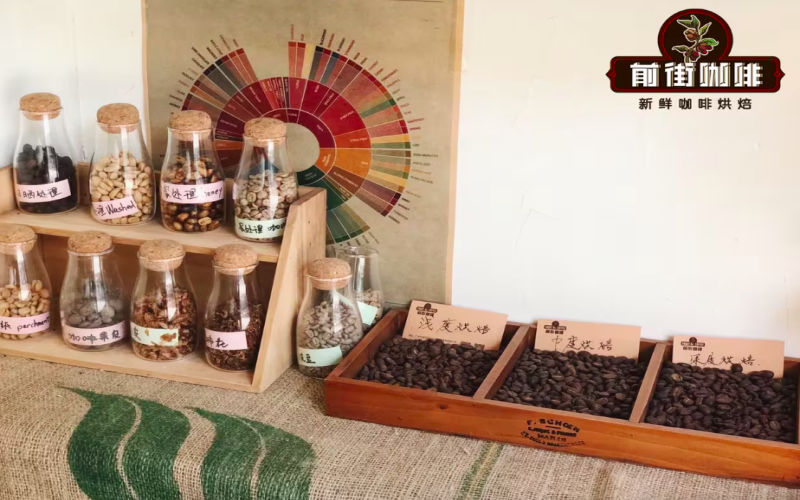
Venezuelan Coffee: From Rise and Fall to Revival, a Full Analysis of Producing Regions and Flavors
Venezuelan coffee has a long history. After being introduced in 1730, it once declined due to the rise of the oil industry, but in recent years it has gradually revived. This article sorts out its development trajectory, introduces in detail the altitude, varieties, and harvest periods of the four major producing regions—the west, the central-west, the central-north, and the east—and analyzes its mellow, light flavor profile with relatively low acidity. It also mentions Front Street Coffee's attention to the producing regions, providing coffee enthusiasts with comprehensive understanding. [more…]
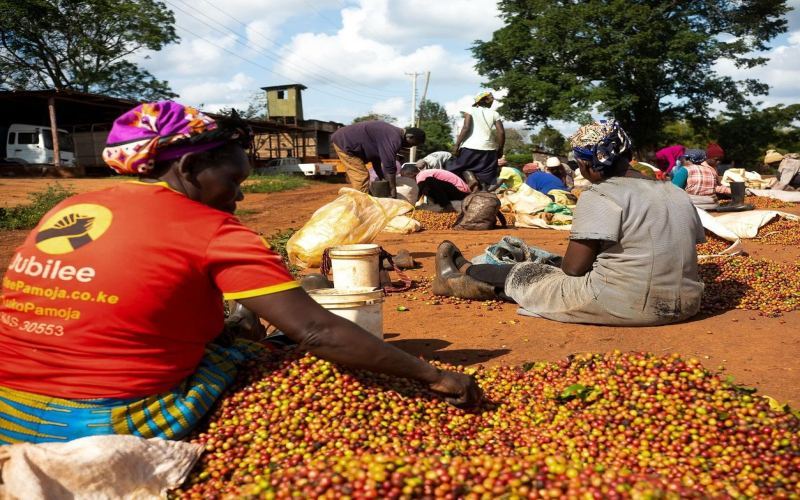
An Overview of Coffee-Producing Regions in West-Central Kenya and the Flavor Characteristics of K72 Washed Coffee
Kenya, as a representative producing country of African specialty coffee, has always been a focus of coffee lovers' attention in terms of its production area distribution and processing techniques. Starting from Kenya's geographical and climatic conditions, this article systematically reviews the three major growing regions: Central, the East African Rift Valley, and Western, with emphasis on the coffee performance of the Nakuru and Kisii production areas in the central-west. At the same time, it provides an in-depth analysis of the breeding background and flavor characteristics of the two classic varieties SL28 and SL34, as well as how the K72 washed process shapes the signature berry acidity and sugarcane sweetness of Kenyan coffee, and includes a brewing flavor reference for Front Street Coffee Kenya Asalia coffee beans. [more…]
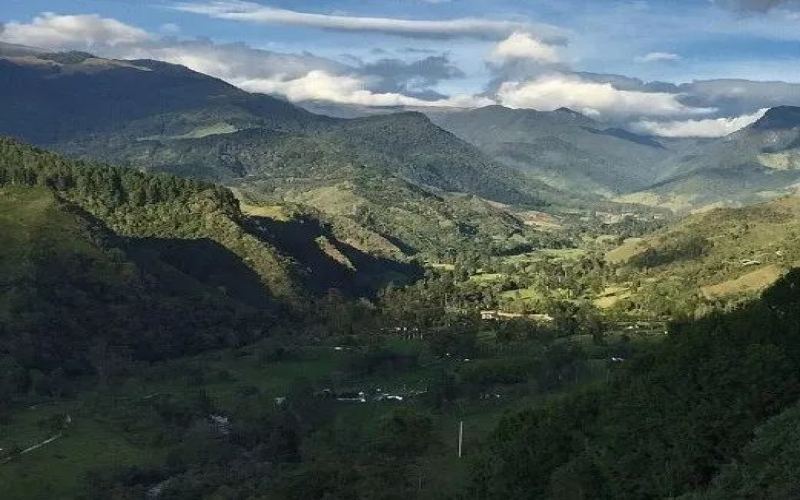
Distribution and Flavor Characteristics of Colombian Coffee Regions: An Analysis of Andean Micro-Lots and the Case of Zacatin
South America contributes over half of the world's coffee production, with Brazil and Colombia ranking as the world's first and third largest producers respectively. Unlike Brazil's large-scale plantation model, Colombia, due to its complex mountainous terrain and diverse microclimates, is dominated by small coffee estates. The best-selling Sidra, Rose Valley, and Flower Moon on Front Street Coffee's bean list come from locally renowned estates. Colombian coffee is mainly distributed in the central and western Andes mountain range, with 15 production regions divided by province nationwide. Cauca, Santander, Antioquia, Narino, Tolima, and Huila are the main forces. Huila's Finca La Divisa, Tolima's Finca La Roca, and Cauca's Finca La Esperanza are widely known, while Antioquia, though famous for its high yield, also has family businesses like Finca Zacatin that produce high-quality coffee. [more…]
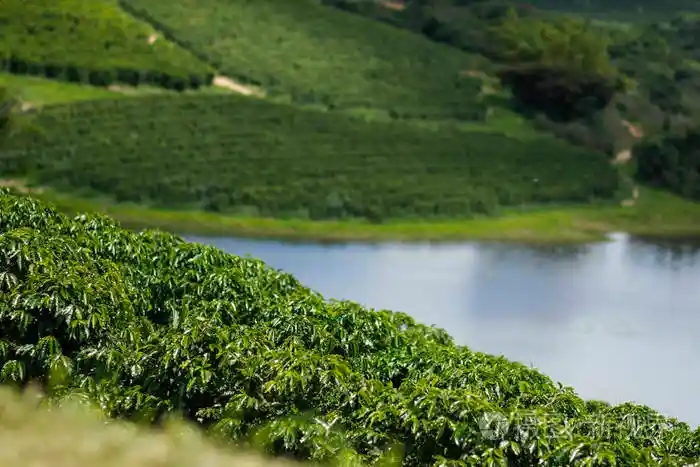
Introduction to the Flavor Characteristics of Brazilian Coffee Beans | What Are the Producing Regions and Coffee Bean Varieties of Brazilian Coffee Beans?
For more specialty coffee knowledge, please follow: Front Street Coffee (Frontsteet Coffee). Brazilian Cerrado coffee is very popular as Front Street's everyday beans, and there is also a Brazilian single-origin bean, Brazilian Queen Coffee, whose taste is cleaner than Brazilian Cerrado and whose flavor is even better! Of course, Brazil [more…]
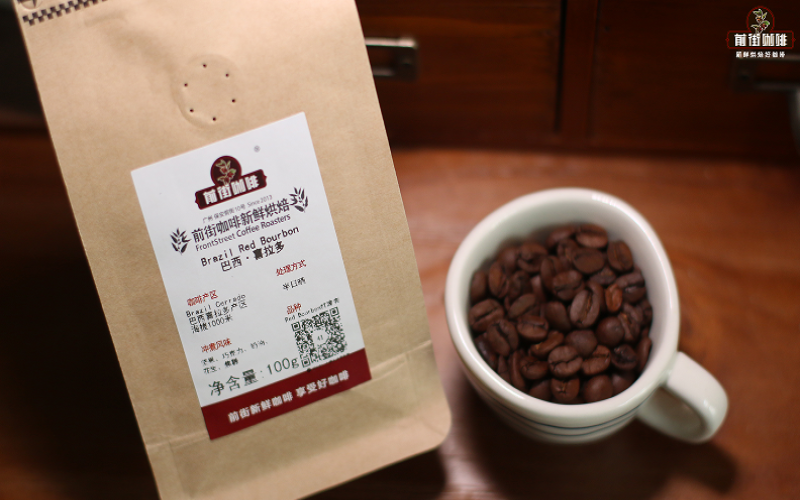
A Complete Guide to Brazilian Cerrado Coffee: Variety Flavor Analysis, Pour-Over Grind Parameters, and Brewing Steps
As the world's largest coffee-producing country, Brazil's consistent quality makes it the cornerstone of espresso blends, and the Cerrado region stands out among many producing regions for its meticulous processing and exceptional flavors. Starting from Front Street Coffee's everyday beans, this article systematically reviews the Cerrado region's geographical and climatic characteristics, the flavor differences between the two major varieties Red Bourbon and Yellow Bourbon, and the evolutionary logic of the pulped natural processing method. It also discloses in detail the complete parameters of Front Street's Brazilian coffee brewing—KONO dripper, 88°C water temperature, 1:15 coffee-to-water ratio, and staged pouring technique—along with a flavor comparison between pulped natural Cerrado and natural Queen Estate, helping coffee enthusiasts fully understand the rich sweetness and nutty notes of Brazilian coffee. [more…]
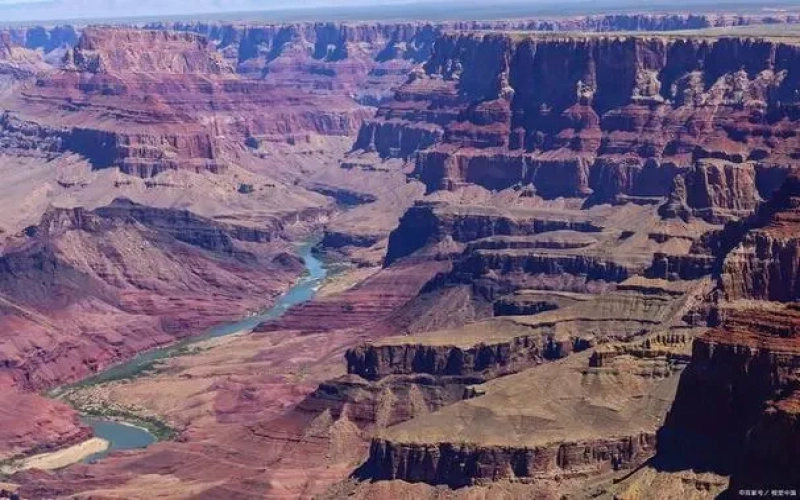
A Complete Guide to Kenyan Coffee Flavors and Grading System: From the East African Highlands to the Thika Region
Kenya, as an important coffee-producing country in East Africa, is renowned for its multi-layered flavors and bright, juicy acidity. This article starts with the terrain and climatic conditions of the African highlands, sorts out the three major coffee-growing regions in Kenya, focuses on the geographical advantages of the central producing region Thika and the distribution of processing plants, and explains in detail Kenya's official green bean grading system AA+, AA, AB, PB, C, E, TT, and T, as well as the TOP, PLUS, and FAQ cupping grades added by exporters. The article also presents the flavor description of Front Street Coffee's coffee beans from the Asalia processing plant in the Thika producing region, helping coffee enthusiasts gain a comprehensive understanding of the unique charm of Kenyan coffee. [more…]
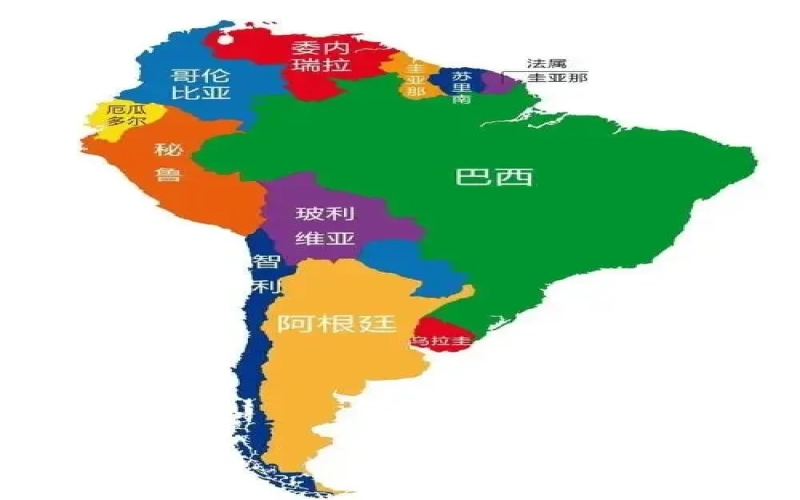
The Flavor Characteristics of Brazilian Coffee and Its Complex Grading System: From Growing Environment to NY2 SC17/18 SS FC
Brazil boasts the largest landmass in South America along with exceptional natural conditions, making it the world's largest coffee exporter and accounting for roughly one-third of the international market. Despite its staggering output, Brazilian coffee is not known for its refinement, and is therefore often used in blends. This article will walk you through Brazil's coffee-growing environment, the distribution of its major producing regions, and a detailed explanation of its unique and complex grading system, including the meaning of the commonly seen "NY2 SC17/18 SS FC" designation. Finally, we'll introduce a beginner-friendly selection from Front Street Coffee—the Cerrado Red Bourbon coffee beans—so you can experience the distinctive charm of Brazilian coffee. [more…]
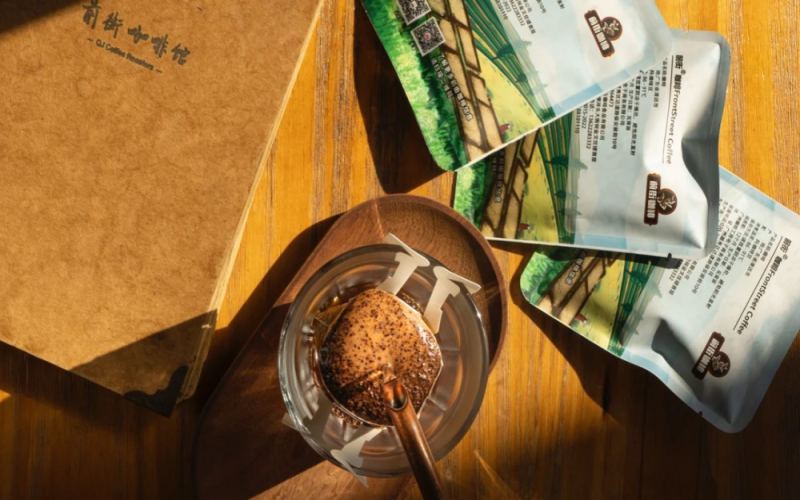
Drip Bag Coffee Powder-to-Water Ratio | Where Does Drip Bag Coffee Come From? How Do Drip Bag Coffee Packets from Different Regions Taste? Why Can't Drip Bag Packets Be Reused?
As modern society's demand for coffee grows ever greater, so too does the demand for specialty coffee. For today's busy enthusiasts, the equipment and steps required to brew specialty coffee are undoubtedly a hassle and a waste of time. To solve this problem, Front Street Coffee has launched drip bag coffee, precisely so that [more…]
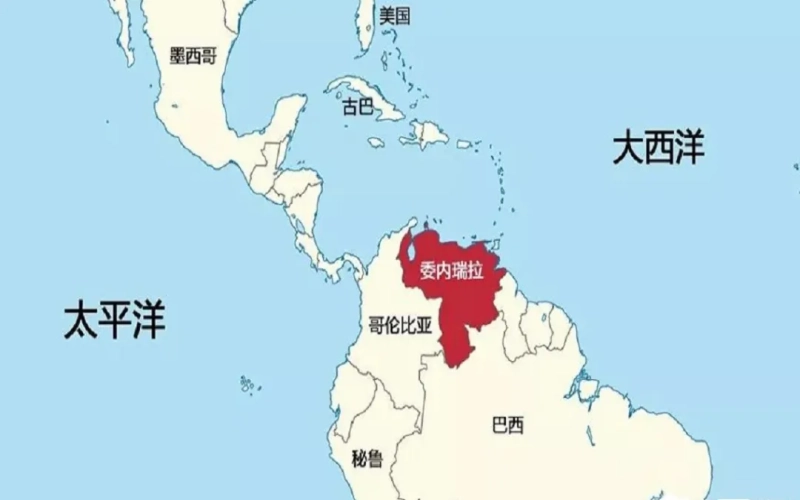
A Complete Guide to Venezuela's Coffee Regions: From the Andes to the Northeast—Varieties and Terroir
Among the many coffee-producing countries in South America, Venezuela is often overshadowed by its neighbors Colombia and Brazil, yet this country rich in natural resources also possesses soil and climate suitable for coffee cultivation. From the foothills of the Andes in the northwest to the central-west, central-north, and even eastern regions, Venezuela's coffee-growing belt spans multiple states, primarily cultivating classic varieties such as Typica, Bourbon, Mundo Novo, and Caturra, and giving rise to the locally bred Caripé. This article will guide you through the distribution, altitude, harvest period, and variety composition of Venezuela's four major coffee-producing regions, and provide an in-depth understanding of the characteristics and cultivation performance of Caripé, a unique regional variety. Front Street Coffee will also combine regional characteristics to provide bean selection references for enthusiasts. [more…]
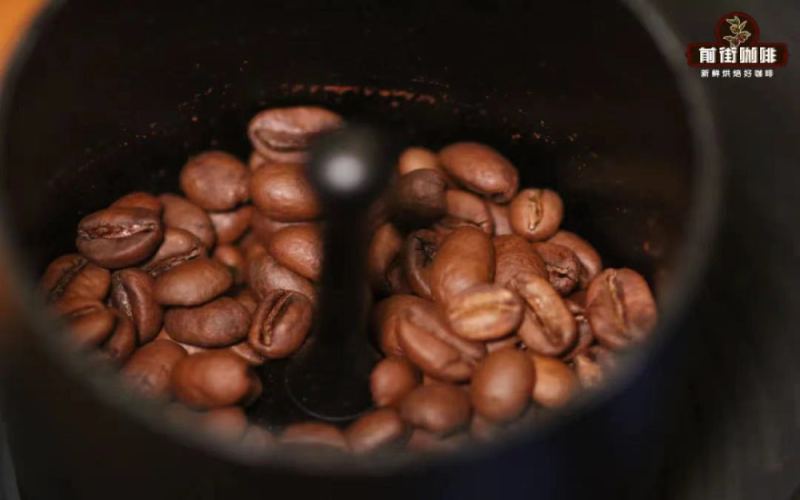
A Complete Analysis of Espresso Flavor: A Detailed Discussion from Origins and Varieties to Processing Methods and Blend Characteristics
Making a satisfying Espresso involves far more complexity than one might imagine. From the coffee farmer's cultivation and the roaster's curve design to equipment calibration and the barista's extraction technique, every single step is directly reflected in the cup. This article focuses on the flavor and mouthfeel of espresso, discussing the differences in consistency between single-origin beans and blend beans, how terroir and climate affect coffee beans' performance year by year, and the common misconceptions and truths about blend beans. At the same time, drawing on the specific recipes of four medium-dark roast espresso blends from Front Street Coffee, it analyzes why Red Bourbon coffee beans from the Cerrado region of Brazil can serve as the flavor foundation of an espresso blend, helping coffee enthusiasts gain a more comprehensive understanding of the flavor composition of espresso. [more…]
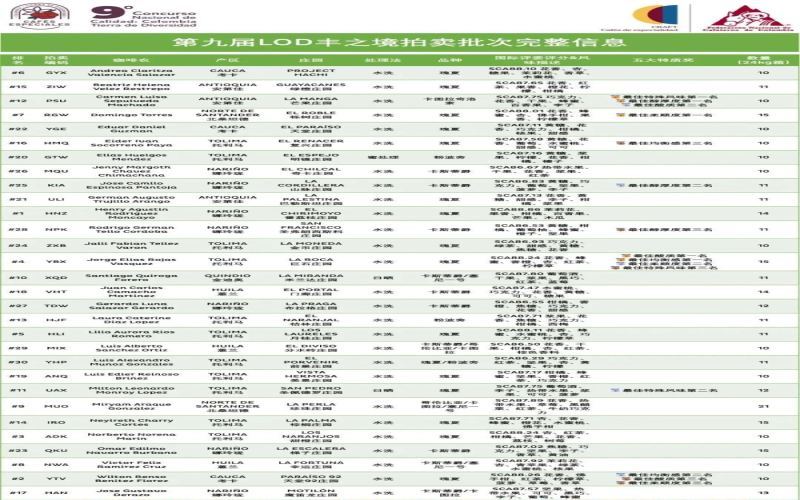
Colombia Land of Diversity (LOD) Competition: Highlights of the Ninth Edition, Unique Format, and 2025 Outlook
The Colombia Land of Diversity (LOD) competition is a national-level coffee quality competition in the country, ranking alongside COE and BOP. The ninth edition brought together 1,018 growers from 13 producing regions; after two rounds of screening, 30 coffees made it to the finals, and the top lot at auction was a washed Geisha from Nariño, fetching as much as $66.50 per pound. This article walks you through the origins of LOD, its competition format, how it differs from COE, and a preview of the tenth edition in 2025, along with recommendations from Front Street Coffee. [more…]

How should you brew drip coffee bags to make them taste good? A full breakdown of coffee-to-water ratio parameters and the number of times you can re-brew
Drip coffee bags, with their advantages of requiring no skill and no equipment, have become a convenient choice for busy coffee lovers. But many people still have questions about their brewing parameters: What powder-to-water ratio is appropriate? What temperature should the water be controlled at? Can they be brewed repeatedly? This article starts with the background of the birth of Front Street drip bags and the product series, then breaks down key steps one by one, including warming the cup, pre-wetting, and pouring water. It clarifies the standard that one 10g drip bag corresponds to 150g of coffee liquid and a water temperature of 90-92°C, and explains why drip bags are only suitable for brewing once. Whether you choose Front Street sun-dried Sidamo, semi-washed Brazil Red Fruit, or the full-of-surprises seasonal drip bag, mastering these details will allow the flavor to be presented more completely. [more…]
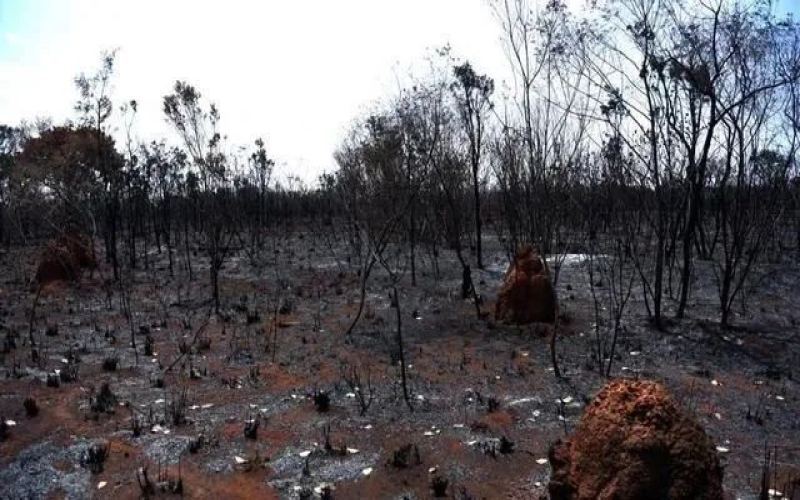
Brazil Fires Cause 14.7 Billion Reais in Agricultural Losses; New Coffee Crop Expected to Fall 6.8%
Brazil has recently suffered severe fires and a historic drought, with agribusiness losses reaching 14.7 billion reais, and coffee-growing regions have also been affected. According to estimates by the Brazilian Confederation of Agriculture and Livestock, the fires from June to August caused enormous economic losses, with São Paulo state hit hardest. At the same time, Brazil is experiencing an extreme drought, with more than a thousand cities going months without significant rainfall, many rivers shrinking, and coffee tree growth severely affected. The official agency Conab has already lowered its forecast for 2024/25 coffee production, expecting a reduction of 4 million bags, a decline of 6.8%. If weather conditions do not improve before the end of the year, production may decline further, and coffee prices will remain high. [more…]
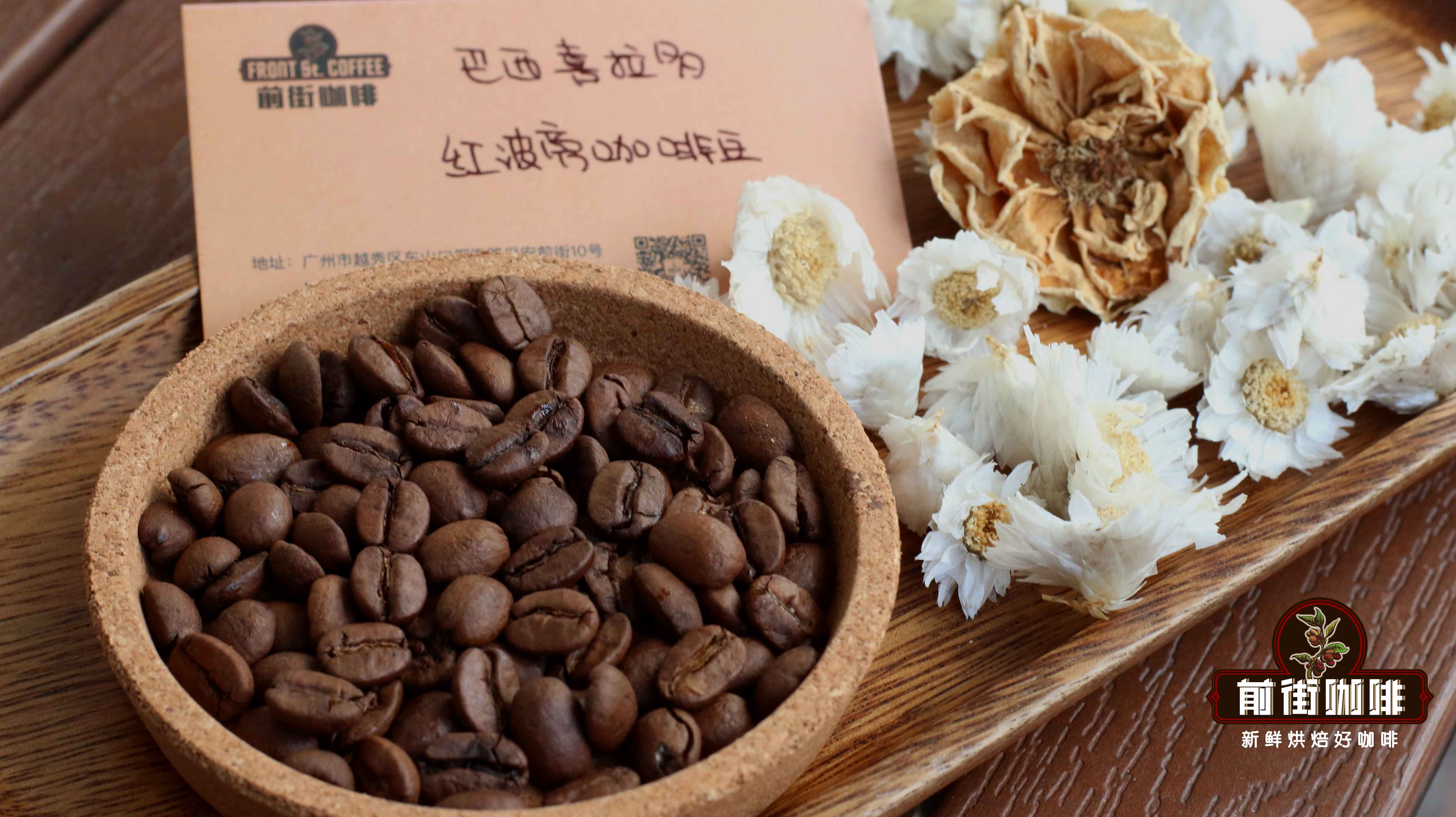
Brazil Cerrado Red Bourbon Coffee Beans: A Full Analysis of Regional Terroir, Semi-Washed Processing, and Brewing Parameters
Brazil, as the world's largest coffee producer, is known for the red bourbon coffee beans from its Cerrado region, which are celebrated for low acidity, nutty and chocolate flavors, and excellent balance. Front Street Coffee's Brazilian Cerrado everyday drinking beans, processed using the semi-washed method and medium roast, display creamy peanut aromas and a rich sweetness. This article will provide a comprehensive analysis of the unique charm of this entry-level specialty coffee, covering the region's terroir, variety characteristics, semi-washed processing technique, Brazilian coffee bean grading system, and the brewing parameters and flavor performance of the Kono dripper, helping coffee enthusiasts understand why Brazilian coffee has become a classic choice for espresso blends and daily drinking. [more…]
A Complete Guide to Brazilian Coffee Flavor Characteristics and Producing Regions: From Pulped Natural Processing to Bourbon Varieties
Brazil, as the world's largest producer of Arabica coffee, is known for its low acidity, nutty and chocolatey flavor profile, and full body, and is widely used in espresso blends. This article systematically reviews the cultivation history of Brazilian coffee, the terroir differences between its main producing regions (Sul de Minas and Cerrado), the characteristics of Red Bourbon and Yellow Bourbon varieties, and the pulped natural process developed to suit the local climate. At the same time, Front Street Coffee will share brewing ideas for Brazilian coffee and the three-stage brewing parameters for the KONO dripper, giving you a comprehensive understanding of this balanced yet understated coffee powerhouse. [more…]
A Complete Analysis of Brazilian Coffee's Flavor Characteristics, Main Producing Regions, and Brewing Key Points
Brazil is the world's largest producer of Arabica coffee, accounting for about 30% of global output, and its harvest conditions directly influence the movement of international coffee futures prices. Brazilian coffee is characterized primarily by chocolate and nutty notes, with a rich, solid body and outstanding value for money—performing excellently whether brewed as a single origin or used as a base for blends. This article will systematically review the cultivation history and geographical conditions of Brazilian coffee, the distribution of its main producing regions, the characteristics of the two major varieties Red Bourbon and Yellow Bourbon, and Brazil's unique pulped natural processing method. Combined with the beans currently on sale at Front Street Coffee, it will also provide specific brewing parameters and flavor descriptions, helping coffee enthusiasts gain a comprehensive understanding of Brazilian coffee from origin to cup. [more…]
A Complete Analysis of Brazilian Coffee Flavor and Origins: Brewing Guide for Cerrado and Mogiana Specialty Beans
Brazil is the world's number one producer of Arabica coffee, accounting for about thirty percent of global output each year, and its harvest conditions directly influence the direction of international coffee futures prices. Brazilian coffee is known for its full-bodied, balanced taste and nutty-chocolate notes. Though it may not be as refined and bright as Central American beans, it has won over many enthusiasts with its high value for money and solid flavor. This article will systematically review the history of coffee cultivation in Brazil, the distribution of its main producing regions, the characteristics of the two major varieties Red Bourbon and Yellow Bourbon, and the pulped natural processing method developed to suit the local climate. It also includes Front Street Coffee's in-store extraction parameters and flavor descriptions of two beans, Cerrado and Queen's Farm, to help readers gain a comprehensive understanding of what makes Brazilian coffee so appealing. [more…]
A Complete Guide to Brazilian Coffee Origins: Flavor Characteristics, Varieties, and Processing Methods of Cerrado and Queen Estate
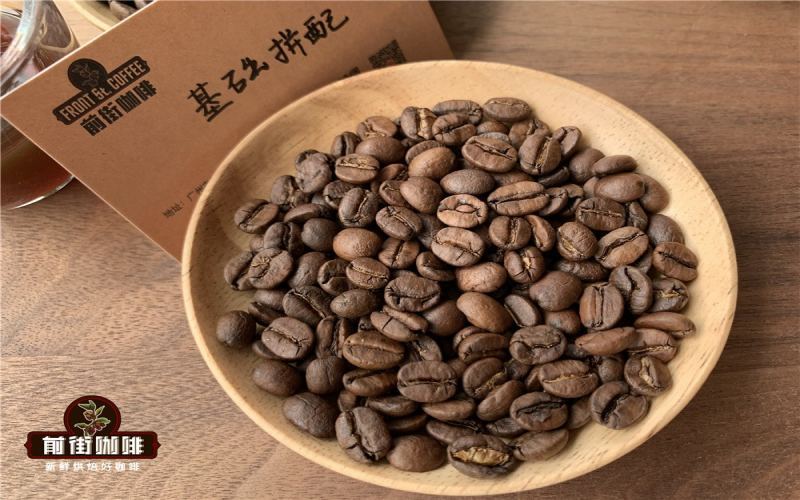
As the world's largest producer of Arabica coffee, Brazil's coffee, with its mild and smooth characteristics, low acidity, and moderate body, has become an indispensable foundational component in coffee blends. From Sul de Minas to the Cerrado, from Bourbon to Catuaí, Brazilian coffee varieties and processing methods each have their own distinctions. This article systematically examines the geographical conditions, major producing regions, variety characteristics, and processing methods of Brazilian coffee, with a focus on introducing the flavor profiles and brewing recommendations of two representative Brazilian beans selected by Front Street Coffee—the Cerrado and Queen's Farm—guiding you through a comprehensive understanding of the unique charm of this "coffee kingdom." [Image 1] As the cornerstone of coffee blends, Brazilian coffee beans, while lacking stunning highlights, also reveal no obvious shortcomings. They have a warm and gentle mouthfeel, low acidity, moderate body, and a hint of subtle sweetness. Completely different from the intense lemon-citrus acidity of Yirgacheffe, and unlike the heavy, bold intensity of Indonesian Mandheling, Brazilian coffee's acidity and bitterness are both relatively restrained, giving it a broad market in the blending field. Front Street's three blends: the Italian moka pot coffee beans recommended by many baristas—Front Street Dark Cocoa Blend, Specialty Blend, and Commercial Blend—all use Brazilian coffee beans as their base. [more…]
Brazilian Coffee Pour-Over Guide: Complete Parameters from Cerrado and Queen Estate Regions to Grind Size, Water Temperature, and Coffee-to-Water Ratio
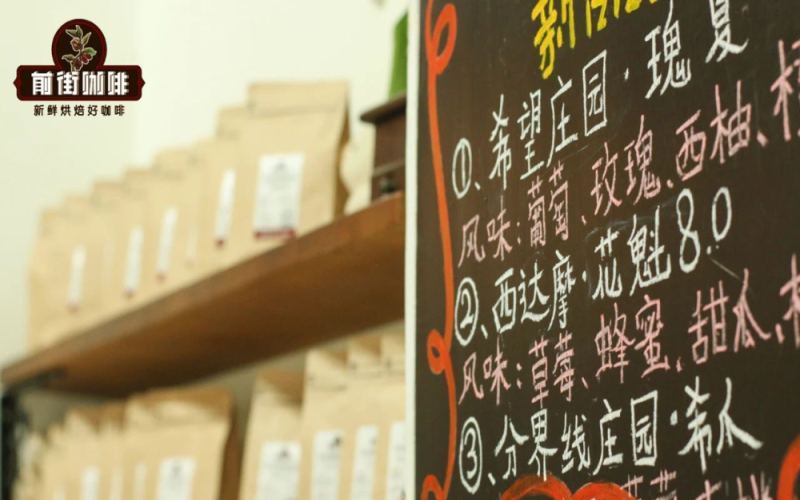
Brazil is the world's largest coffee producer, yet it is not often mentioned on single-origin menus, appearing more frequently as a component in blends. This is closely related to the soft-bean flavor profile brought about by its low altitude, flat terrain, and sun-exposed cultivation—low acidity, prominent nutty and chocolate notes, and good body. This article systematically reviews Brazil's main coffee-producing regions (Cerrado, South Minas, Mogiana, etc.), the differences between Red Bourbon and Yellow Bourbon varieties, and the evolution of natural and semi-natural processing methods. Using Brazil Cerrado and Queen Farm Yellow Bourbon as examples, it shares Front Street Coffee's complete pour-over recipe, including a KONO dripper, 88°C water temperature, a 1:15 coffee-to-water ratio, a grind size with 75% passing through a No. 20 sieve, and a three-stage pouring rhythm, to help you brew a cup of Brazilian coffee full of caramel, nut, and cream flavors. [more…]
Brazil Minas Hill Estate Pulped Natural Coffee Beans: A Full Analysis of Flavor Characteristics, Processing Methods, and Brewing Key Points
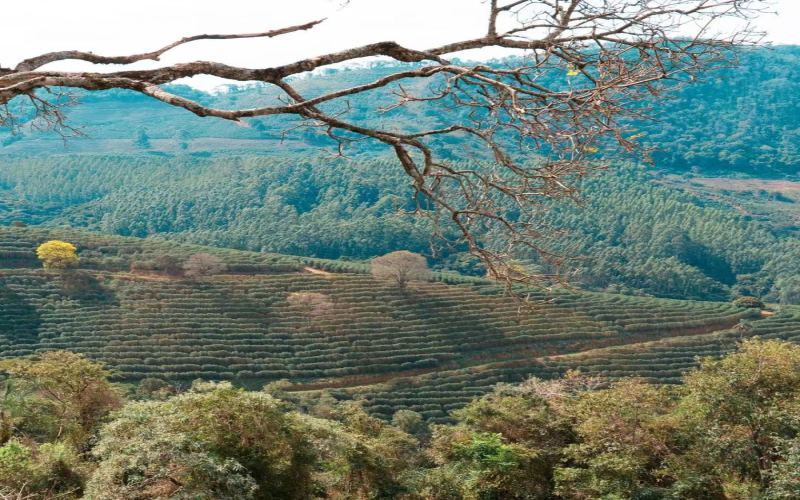
Brazil, as the world's largest coffee producer, is known for its smooth, low-acid coffee with nutty and chocolatey notes. Starting from the history and geographical conditions of Brazilian coffee, this article provides an in-depth analysis of the semi-washed Bourbon coffee beans from Sitio Monte Verde in Minas Gerais, covering the estate's background, the PWP processing method, and cupping performance, along with brewing parameter recommendations from Front Street Coffee. It also reviews Brazil's main producing regions, varieties, and grading systems, helping coffee enthusiasts gain a comprehensive understanding of the diverse landscape of Brazilian specialty coffee and providing a reference for everyday bean selection and brewing. [more…]